

You’re sitting in traffic, late for an important meeting, watching the minutes tick away. Your hypothalamus, a tiny gland in your brain becomes stimulated to release stress hormones triggering your “fight or flight” response. Your heart rate increases, your breath quickens, and your muscles prepare for action. This response is a natural mechanism of defence to protect your body in a challenging situation, preparing you to react quickly. If however the stress response keeps firing, day after day, it can put your health at serious risk.
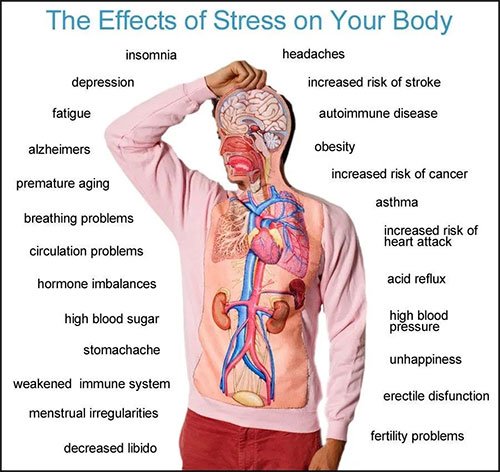
Stress is a natural physical and mental reaction to daily life situations that everyone experiences. Anything from daily responsibilities such as work and family life, through to serious life events such as aN upsetting diagnosis, severe injury or bereavement can trigger stress responses.
In immediate, short-term situations, stress can be beneficial helping you cope with the challenging situation. Your natural response to stress is to release hormones that increase your heart and breathing rates and ready your muscles to respond. Yet if your stress response doesn’t stop firing, and these stress levels stay elevated for longer than is necessary for survival, it can take a toll on your health. Chronic stress can cause a variety of symptoms and affect your wellbeing. Symptoms of chronic stress include:
- irritability
- anxiety
- depression
- headaches
- insomnia
Central nervous and endocrine systems
Your central nervous System (CNS) and endocrine (hormonal) system are in charge of your “fight or flight” response. In your brain, the hypothalamus gets the ball rolling, telling your adrenal glands to release the stress hormones adrenaline and cortisol. These hormones rev up your heartbeat and send blood rushing to the muscles, heart, and other important organs that need it most.
When the perceived fear is gone, the hypothalamus should tell all systems to settle back to normal. If however the CNS fails to return to normal, or if the stressor continues, the hormonal response will stay elevated.
Chronic stress is also a factor in behaviours such as over or under eating, alcohol or drug abuse, and social withdrawal.
Respiratory and cardiovascular systems
Stress hormones affect your respiratory and cardiovascular systems. During the stress response, you breathe faster in an effort to quickly distribute oxygen-rich blood around your body.
If you already have a breathing problem such as asthma or COPD, stress can make it even harder to breathe. Under stress, your heart also pumps faster.
Stress hormones stimulate some of your blood vessels to constrict and others to dilate in order to divert oxygenated blood to your muscles so they can effectively take action however this may also raise your blood pressure. Frequent or chronic stressors will make your heart work too hard for too long affecting the muscles of the heart. Chronically high blood pressure will also increase your risk of having a stroke or heart attack.
Digestive system
Under stress, your liver produces extra blood sugar (glucose) to give you a boost of energy. If you’re under chronic stress, you may not be able to keep up this extra glucose surge. Type 2 diabetes is a risk of chronic stress.
The rush of hormones, rapid breathing, and increased heart rate can also challenge your digestive system. You’re more likely to have heartburn (acid reflux) due to your diaphragm (primary breathing muscle) failing to close off the sphincter to the stomach allowing stomach acid to pass through. Stress doesn’t cause ulcers (a bacterium called H. pylori often does), but it can increase your risk for them. Stress can also affect the way food moves through your body, leading to diarrhoea or constipation. You might also experience nausea, vomiting, or a stomach ache.
Muscular system
Under stress your muscles tense up. They tend to release again once you are able to calm down, but if you’re constantly under stress, your muscles may remain in a state of tension. Tight muscles may cause headaches, back and shoulder pain, body aches and disfunction. Over time, this can set off an unhealthy cycle of muscular damage which may cause you to stop exercising and turn to pain medication for relief.
Sexuality and reproductive system
Stress is mentally and physically exhausting. It’s not unusual for your libido to fall when you’re under constant stress. While short-term stress may cause men to produce more of the male hormone testosterone, this effect doesn’t last. If stress is ongoing, after initially rising, testosterone levels can begin to drop interfering with sperm production and may even cause erectile disfunction or impotence.
Chronic stress may also increase risk of disease to the prostate and testes. For women, stress can affect the menstrual cycle, leading to irregular, heavier and/or more painful periods. Chronic stress can also amplify the symptoms of menopause.
Immune system
Stress stimulates the immune system, which in the immediate incident is advantageous. This stimulation can help wounds heal and avoid infections. Over time however, stress hormones will depress your immune system and reduce your body’s response to foreign invaders. Under chronic stress we are more susceptible to viral illnesses such as the flu and the common cold, as well as other infections. Stress can also increase the time it takes to recover from an illness or injury.
There are many ways to help alleviate stress-related musculoskeletal pain. You might try:
- Regular exercise helps to keep muscles in good condition, it also aids circulation and breathing mechanics. Exercise also stimulates hormones that can have remarkable effects. Physical activity is excellent in the management of many simple mental health issues.
- Talking therapies such as cognitive-behavioural therapy (CBT), Counselling or psychotherapy can be beneficial in reducing pain by helping one to understand, manage or find solutions to some of the stress factors.
- Stress management techniques such as controlled breathing exercises, meditation, good sleep hygiene and a balanced diet can also help elevate stress, anxiety & depression and consequently reduce pain.
In conclusion:
Stress is a normal part of a healthy life but the connection between stress and musculoskeletal pain is well-established. Mental health and musculoskeletal issues go hand in hand leading to pain, stiffness, and soreness. Regular exercise, stress management techniques, good sleep hygiene, and a balanced diet can help to alleviate stress-related musculoskeletal pain.
It is always best to seek help early. If pain is persistent or chronic, it is important to consult a healthcare professional to determine the best course of treatment.
The Osteopathy Centre offers top-notch care for people in pain and discomfort and for help in the management of your mental health. Alex Lubel uses various techniques to aid clients in reaching their goals and improving their quality of life. Whether it be a sport injury, a chronic Issue or an acute injury, Alex provides assistance through Osteopathic manual therapy, simple exercise prescription, and self-management education. Conveniently located in Whetstone N20, South Woodford E18 & Walthamstow E17, Alex is committed to helping you reach your full potential
If your back (or anything else) goes out more often than you do, schedule an appointment today and experience the benefits of Osteopathy
Call 020 3928 6999 or email help@theosteopathycentre.com