
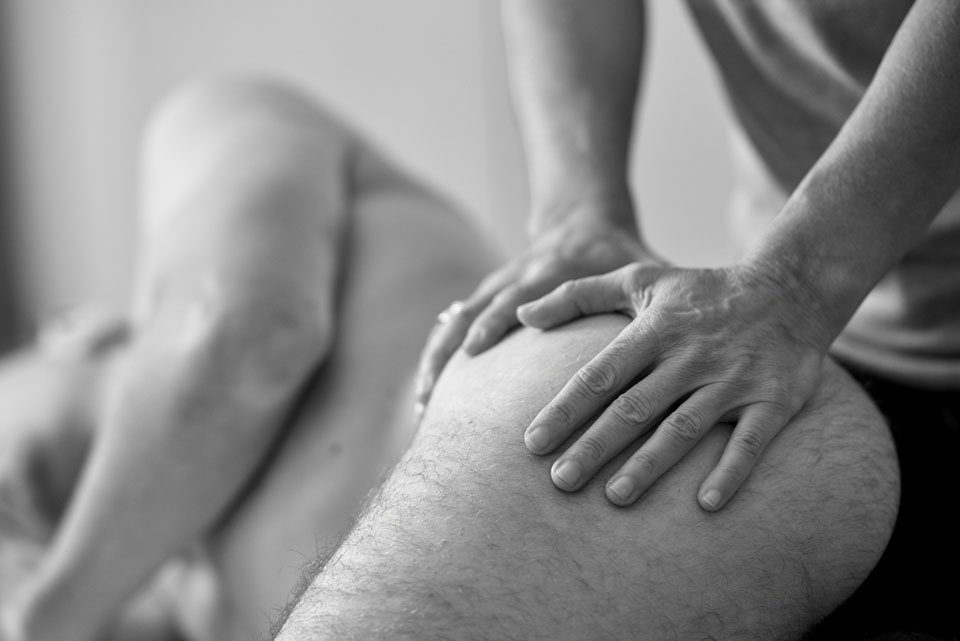
There are of course as many reasons for people to book in to see me at The Osteopathy Centre as there are people in the world. Distilling the reasons down to the simplest forms, however, brings us to just a few reasons, which are:
- Trauma: “I slipped on the ice”, “I felt something go when I was playing sport”, “I was involved in a car crash”, etc.
- Disease: Hereditary illness, autoimmune disease, contagious infection.
- Habit: Cumulative and unnoticed, building over time, perplexing.
In this blog we are going to concentrate on the habitual side of things.
What is a habit?
A habit is a routine or settled behaviour that is repeated regularly and tends to occur subconsciously, requiring little or no thought.
Habits are vital in our day to day functioning, helping us to develop and build routines and systems that we hope make our lives more simple and comfortable. The fact that habits require little or no thought though means that we often do not question them and get stuck in routines that may become detrimental.
It is when we continually return to the same habits over and over again that the habits can become detrimental to our health and wellbeing.
In Clinic
When I ask patients what started their symptoms they will often shrug their shoulders (if they are not the painful part) and say “I don’t know!” Or they will tell me when the symptoms got to a point where they became unmanageable, inferring that there has been a slow insidious creep towards symptoms.
In most cases these presentations have their foundations in well formed and unconsidered habits.
A good habit is only good until it becomes bad!
In a previous blog on ergonomic desk setup, I talked about workstation ergonomics and discussed ideal furniture and setup. One can spend a great deal of money getting the best Herman Miller office chair and a quality sit-stand desk. If, however, you just plonk yourself behind your desk for the whole working day thinking your furniture will look after you, you will be disappointed and find that whilst the furniture might help a bit, you will inevitably end up with aches and pains.
Habits are a loop
In the above example your habit loop is:
- Sitting to work
- Not adjusting position or taking breaks to stretch
- Resulting in strain and fatigue
- Causing pain
A better habit would be:
- Adjust your furniture to make it work for you
- Sit to plan tasks
- Have a stretch
- Take on first task (if it is a big task, break it into smaller parts)
- Step away from your desk to move and stretch
- Return to continue the task (with further breaks as required) or start the next task
Rewards
By adopting the habit of breaking the day down into small parts, the impact of the habits should be a more positive and less detrimental experience. The rewards are achieving your goals or planned tasks without developing pain in the process.
In the world of sport and fitness training, a bad habit loop might be:
- Rushing to the gym or football pitch straight from work
- Hurrying into your gym gear
- Immediately lifting weights or playing a game
- Going home for a shower
- Collapsing on the sofa and watching the latest box set with dinner on your lap
In my clinical experience, this is often accompanied by the mindset of “I never stretched when I was a kid so I don’t need to now!” or “I don’t know how to.”
A better habit loop would be:
- Plan your day
- Give yourself enough time to get ready and travel to the gym or football pitch
- Warm up
- Do your training or play your game
- Cool down and stretch
- Shower
- Head home
- Eat at the kitchen table and then watch TV
- Plan out tomorrow and maybe even stretch again before bed
Both of the good habit loops may seem to be more time consuming, however in the long run they will help you to become far more productive and competitive.
Habit Stacking
A useful tool to help you fit habits into your day is Habit Stacking. This is where you attach a new good habit onto another task. That task may be as mundane as waiting for the kettle to boil. Whilst the kettle is doing its thing, your new habit might be to write a to-do list or do 10 push-ups. In that short moment, you will have become more productive or a bit fitter.
You may already have a good habit of exercising but not stretching. To build the stretching habit, you could do 9 reps instead of 10 for each set of exercise, thus buying yourself a little bit of time to stack your stretch habit into your fitness routine to help develop your fitness and steer clear of injury.
Good habit stacking in summary
If the situation is this, I will do that, resulting in a positive outcome.
Your chains of habits might be just a single situation and one habit, or they could be an ongoing chain of positive habits. In time your habits will just be routine and functional. It is always good to check habits are still appropriate and to change them if needed.
There is a great book called Atomic Habits by James Clear that talks in greater detail about Habit Stacking, Habit Rewarding, and other techniques that we can all use to great effect.