
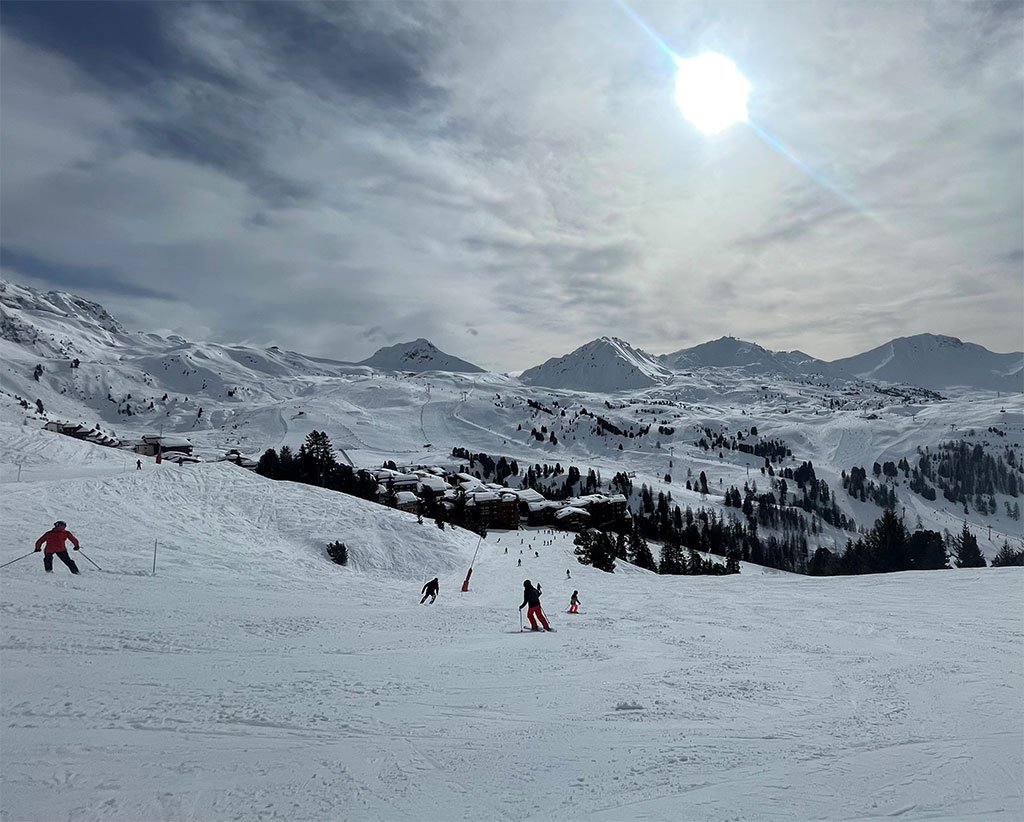
Are you new to Skiing or a seasoned Skier? Either way, you will need to prep for your upcoming Ski trip.
A ski holiday is exhilarating, energising—and surprisingly demanding on the body. Whether you’re carving down black runs or enjoying gentle blues, skiing places unique stresses on muscles, joints, and the nervous and cardiovascular systems.
From an osteopathic perspective, good self-care before, during, and after your trip can make the difference between returning home revitalised or returning with aches, pains, stiffness, and injury.
Here are a few simple tips you can use to support your body at every stage of your ski holiday and help make it a truly memorable holiday for all the right reasons.
Before Your Ski Holiday: Preparing the Body
Skiing requires strength, balance, coordination, and joint mobility—often in cold conditions and at altitude. Preparation is key.
1. Build Functional Strength & Mobility
Focus on:
- Leg strength (quads, glutes, calves)
- Muscular stability (abdominals, back muscles)
- Hip, knee, ankle, and spinal stability and mobility
From an osteopathic viewpoint, efficient movement relies on joints moving freely and muscles sharing load evenly. Simple exercises such as squats, lunges, balance work, and rotational stretches can significantly reduce injury risk.
2. Address Existing Niggles Early
Old injuries or recurring pain (especially in the knees, hips, lower back, or neck) can be magnified on the slopes. Seeing an osteopath before your trip can help:
- Improve joint mechanics
- Reduce muscular tension
- Optimise your poise and balance
This helps your body adapt more effectively to the demands of skiing.
3. Hydration & Recovery Habits
Cold weather masks dehydration. Begin increasing water intake before travel, and prioritise good sleep in the weeks leading up to your trip—both vital for tissue resilience and recovery.
4. Ski Lessons / Practice
There are several excellent indoor slopes in the UK.
- For the experienced skier: A bit of a reminder can be helpful—it’s often a long time between ski trips.
- For the new skier: Having lessons before you go will physically and mentally prepare you for the mountains and allow you to get the most from your ski holiday.
During Your Ski Holiday: Caring for the Body on the Slopes
Once you’re skiing, self-care becomes about listening to your body and supporting recovery day by day.
1. Warm Up (Yes, Really)
Cold muscles are more prone to strain. A 5–10 minute warm-up—gentle squats, leg swings, spinal rotations—helps prepare joints and improve neuromuscular control.
2. Pace Yourself
From an osteopathic perspective, fatigue changes movement patterns. Tired muscles stop supporting joints efficiently, increasing injury risk—particularly late in the day.
Take breaks, alternate harder runs with easier ones, and stop before exhaustion sets in.
3. Support Recovery Daily
- Stretch gently in the evening, focusing on legs, hips, and back.
- Stay hydrated and eat well to support tissue repair.
- Use heat or warm showers to ease muscle tension. A post-ski sauna is a real tonic.
If you experience pain (not just muscle soreness), don’t push through it—pain is a message that you should listen to.
4. Mind Your Spine, Neck & Knees
Heavy equipment, using chair, button and T-bar lifts, walking in ski boots, and repeated falls can cause all sorts of strains. The neck, back, and knees are most vulnerable.
Don’t overdo it on the slopes, and off the slopes be mindful of how you carry your kit.
After Your Ski Holiday: Recovery & Reset
Many people only notice stiffness or discomfort once they’re home and back at work.
1. Expect Delayed Muscle Soreness
It’s normal to feel sore after skiing. Gentle movement, stretching, walking, swimming, or yoga can help keep you mobile and reduce stiffness.
2. Post-Ski Maintenance
Skiing often overworks certain muscle groups while underusing others. An osteopathic treatment after your trip can:
- Ease muscular tightness
- Restore joint mobility
- Assist you in restoring musculoskeletal and systemic function
This helps prevent lingering pain or compensatory issues developing weeks later.
3. Ease Back Into Routine
Avoid jumping straight back into intense training. Gradually reintroduce exercise, allowing tissues time to adapt back to everyday movement patterns.
Final Thoughts: Ski Well, Recover Well
From an osteopathic perspective, skiing is a full-body experience that challenges strength, coordination, and adaptability. With thoughtful preparation, mindful pacing, and proper recovery, your body can thrive on the slopes—and thank you for it afterwards.
Personally, I found that the movement of skiing eased my own back pain and stretching maintained the benefits.
Self-care isn’t just about avoiding injury; it’s about enhancing enjoyment, performance, and long-term wellbeing. Ski smart, listen to your body, and let your holiday leave you feeling strong rather than sore.
Enjoy the views, the fresh air, the exhilaration and the Après ski.
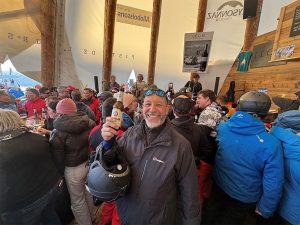
Alex is a keen and experienced skier; if you have skiing-related questions, don’t hesitate to ask him.