
The Osteopathy Centre: Helping people like you to feel great every day.
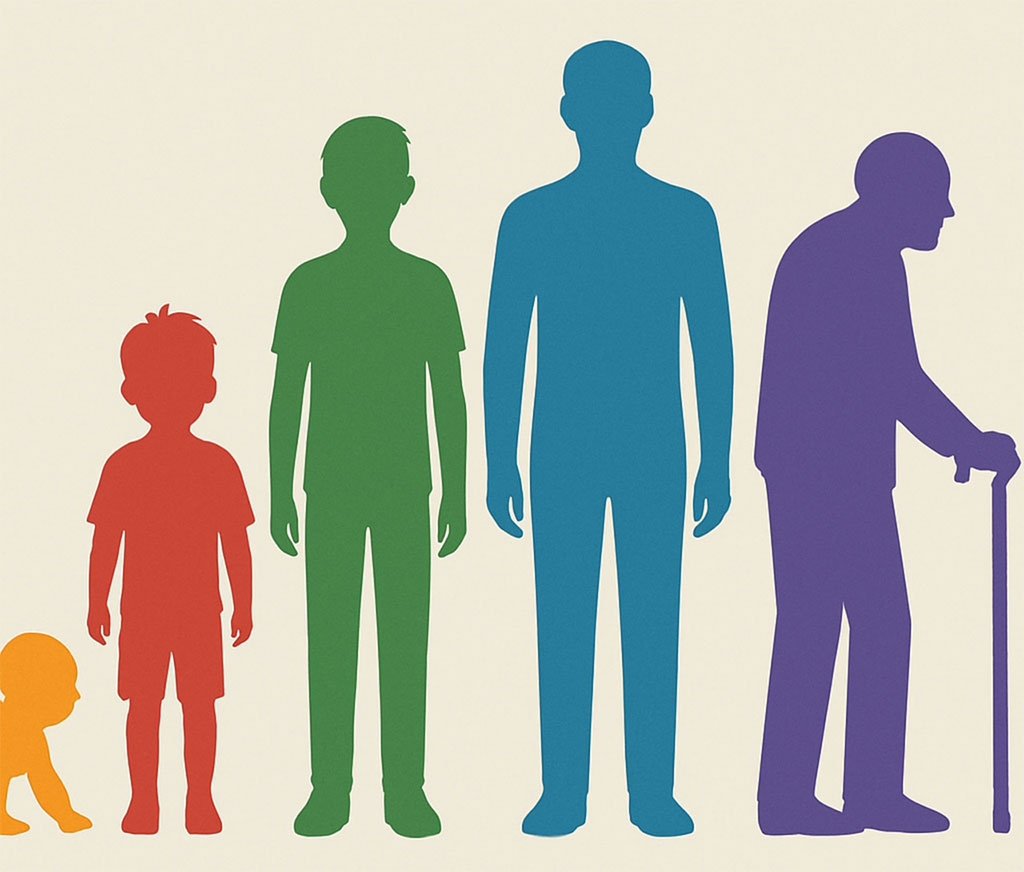
Ageing, Despite our best efforts we do it everyday and it’s something we’re never going to escape! There are however different ways of ageing: some may age gracefully, other disgracefully, some in control of their wellbeing and other less so. Getting older does not necessarily mean becoming frail, being in pain or feeling lonely. With the right resources, there is a lot that we can do to stay strong, active and lively whilst growing older.
At The Osteopathy Centre in Whetstone, South Woodford & Walthamstow I am committed to raising awareness of what osteopathy has to offer as an adjunct and in some cases an alternative to medication for the treatment of pain. This is increasingly important as the global population is ageing, as exemplified by https://www.who.int/news-room/fact-sheets/detail/ageing-and-health who say: “In 2020, the number of people aged 60 years and older outnumbered children younger than 5 years” and “Between 2015 and 2050, the proportion of the world’s population over 60 years will nearly double from 12% to 22%”. With these figures in mind, as the number of older people increases, so will the amount of them living with persistent pain and relying almost solely on medication as a form of relief.
What is Osteopathy?
Osteopathy is a safe and effective method for treating patients struggling with a variety of aches and pains. Osteopaths take a history and assess the patient. With the benefit of degree training and experience, osteopaths make use of their hands to assess the patient and gently manipulate joints and muscles to stimulate change with a view to improving function by relieving tension, stiffness and pain helping older patients move more freely with greater confidence, allowing them to live a fulfilling and as active a life as they can manage regardless of their age.
Let’s see in greater detail how osteopathy can help…
Pain in older adults
Despite the higher prevalence of older people living with persistent pain compared to younger population groups, older adults are less likely to receive good pain management. This is rooted in the belief that it is somewhat ‘normal’ for older people to be in pain. Thus, the most common way of treating pain is to prescribe medication instead of addressing other more sustainable areas for pain management such as physical activity, diet and psychological health of course physical therapies such as Osteopathy.
It is true that with ageing certain changes in the structure of all our body systems make it more likely for acute pain to persist and become chronic. Pain however should not be a normal state of being and definitely should not affect our ability to function; move, engage and relate with others. Whilst aches and pains are to be expected, as pain starts affecting other central aspects of our daily living, it can fuel a vicious cycle resulting in more pain, weakness and distress. My aim as your osteopath is to help you break this cycle or at least manage it more effectively and where possible, prevent it occurring in the first place.
Osteopathy aids mobility
As one progresses in to older life one may notice that joints are not as flexible and free-moving as they once were! As we age, joints naturally lose some of their lubrication and may become more calcified and grow stiffer. This is where osteopaths work well, using our hands and body to gently articulate patients to encourage peripheral and spinal joints to move through some of the ranges of motion that may have felt inaccessible and to also stretch muscles that have been growing shorter and tighter. My objective as your osteopaths is to have my patients leaving the consultation feeling looser, with greater function and more confidence to move more freely.
Osteopathy can aid balance
Loss of balance can be a serious issue in older life with potentially dramatic consequences to health, wellbeing & independence. Loss of balance may be a known side effect of medication that should be reported to your Dr for ascessment. Most commonly however a loss of balance is a normal consequence of aging, as feedback from our nervous system, joints and muscles become inhibited and less sensitive we can become less able to figure out where we are in space. This positional awareness is known as proprioception.
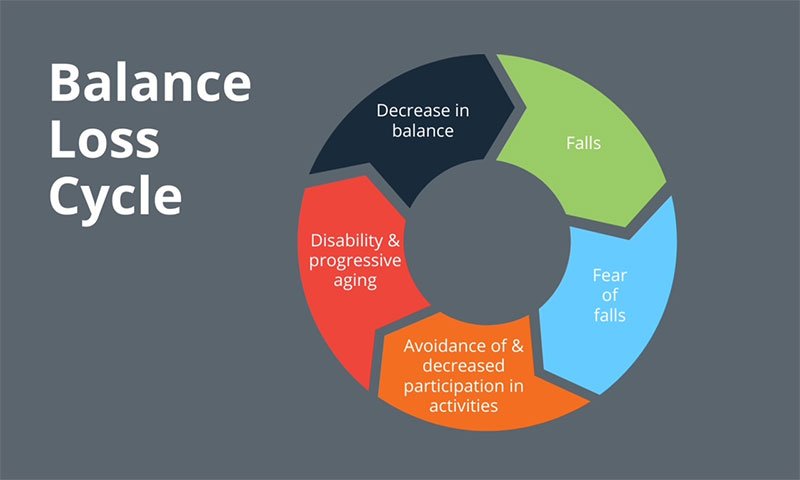
Yet again, osteopathy can effectively help with proprioceptive function. Our sense of balance partially depends upon signals being sent from our muscles, tendons, ligaments and joints to the brain. The better our movement, the better these signals should be. Osteopathic techniques can temporarily improve the quality of movement, so that as the body is more stable, patients can be led through exercises specifically designed to improve balance and overall confidence whilst standing. In short, the better you are able to move after an osteopathic session, the better the signals you’ll feed to your balance system and thus reduce your chances of falls and the greater your musculoskeletal and psychological health will be.
Mental health
When in pain, we are inclined to move less. The less we move, the less we tend to interact with friends and family or even carry out our basic living needs such as shopping. In this state, loneliness can become more apparent making one feel low and depressed. With less to distract us we are more likely to experience pain and may spend more time thinking about the negative aspects of life.
Osteopathy has lots to offer when it comes to mental health. Osteopaths put at the centre of every treatment plan the patient’s personal needs and set realistic goals to work towards. It is the osteopath’s primary concern to ensure patients can live fulfilling lives as this determines the effectiveness of our treatment. In some cases the osteopath might be the only person the patient has a physical and vocal interaction with. Having an opportunity to talk and experience human contact (even if therapeutically) can be a hugely powerful aiding wellbeing on many levels.

General health check up
During an osteopathic consultation, the function and integrity of most areas of the body are assessed via attentive observation and touch. There aren’t many medical professionals that have a perspective as good as this when it comes to viewing the patients general health. On top of their musculoskeletal screening, osteopaths can detect skin conditions, ulcerations or swelling that patients may not have been aware of.
Even if you are suffering from a simple condition or diagnosed pathology, osteopaths will always look for health before disease. The smallest change in our ability to move and engage with the world can make a considerable impact. Sometimes, we just need help to manage and hopefully remove the obstruction standing between us and our body’s ability to find health.
Whether you are young or old, If you’re back (or anything else) goes out more often than you do, call: 020 3928 6999 or visit our contact page here www.theosteopathycentre.com